
Our impact
The difference your support makes
Every jump raises money for the research and the ready-now programs that reduce suffering among veterans and first responders. Here is where things stand, and where your dollar goes.
By the numbers
What your support has built
~$600K
raised to date
25
fundraising events held
5
research initiatives supported
$0
paid in executive compensation
Where your dollar goes
Lean by design, so more reaches the mission.
22 Jumps has kept a lean, all-volunteer mentality from the start. That keeps costs low and sends more of every gift where it matters.
82%
Toward TBI research & direct outreach programming
The majority of every dollar you give goes straight to research and our programs, not overhead.
$0
Executive compensation
No one at 22 Jumps draws a salary. The organization is run entirely by volunteers.
200+
Lives directly impacted
Veterans and first responders reached through our direct programming and outreach, a number that grows every year.
The problem we are fighting
The numbers behind the mission.
Traumatic brain injury disproportionately affects veterans, and the toll reaches far beyond them.
22
The Department of Veterans Affairs 2012 Suicide Data Report found that 22 veterans die by suicide each day. 22 is the historical number around which the organization was conceived, and the symbol that gave the original events their structure. It is where our name comes from. The latest reporting puts it at 19 a day, which is still far too many. 1
141,159
lives lost to veteran suicide between 2002 and 2023. 1
4.3×
more post-9/11 service members and veterans have died by suicide (30,177) than died in the post-9/11 wars themselves (7,057). 2
#2
Suicide is the second leading cause of death among veterans 45 and younger. 3
57%
higher suicide rate among veterans than non-veteran adults. 4
39%
higher adjusted odds of death by suicide among EMTs than non-EMTs. 5
23%
of first responders who die by suicide also served in the military, about twice the rate among other suicide deaths. 6
Figures are the most recent published by each source. Findings that compare groups describe associations, not causes.
Sources
- U.S. Department of Veterans Affairs, National Veteran Suicide Prevention Annual Reports, 2002 to 2023 counts. View source
- Brown University Watson Institute, Costs of War Project, 2021. View source
- U.S. Department of Veterans Affairs, 2025 National Veteran Suicide Prevention Annual Report, Part 2. View source
- U.S. Department of Veterans Affairs, 2022 National Veteran Suicide Prevention Annual Report. View source
- Vigil et al., Prehospital Emergency Care, 2019. View source
- Carson et al., Journal of Safety Research, 2023. View source
Where the research goes
Detection, treatment, and therapeutics.
The Kiernan Wimmer TBI Innovation Initiative funds work to improve the diagnosis, monitoring, and treatment of traumatic brain injuries, one of the primary drivers of veteran suicides.
Detection
A national normative neuroimaging library, wearables that detect TBI-induced changes in baseline vitals, and biomarkers indicative of TBI, so that the long-term effects are not misdiagnosed.
Treatment
Advancing TBI therapies like photobiomodulation that immediately address post-injury brain swelling, rather than managing long-term symptoms.
Therapeutics
What our retreats deliver: adventure sports that reassociate fear with a sense of accomplishment, strong community bonds, and plant medicine.
Funded through the Kiernan Wimmer TBI Innovation Initiative, in partnership with the Traumatic Brain Injury & Concussion Center of University of Utah Health and the Brain Injury Research Center of Mount Sinai.
The science your gifts fund
Seeing the injury in detail.
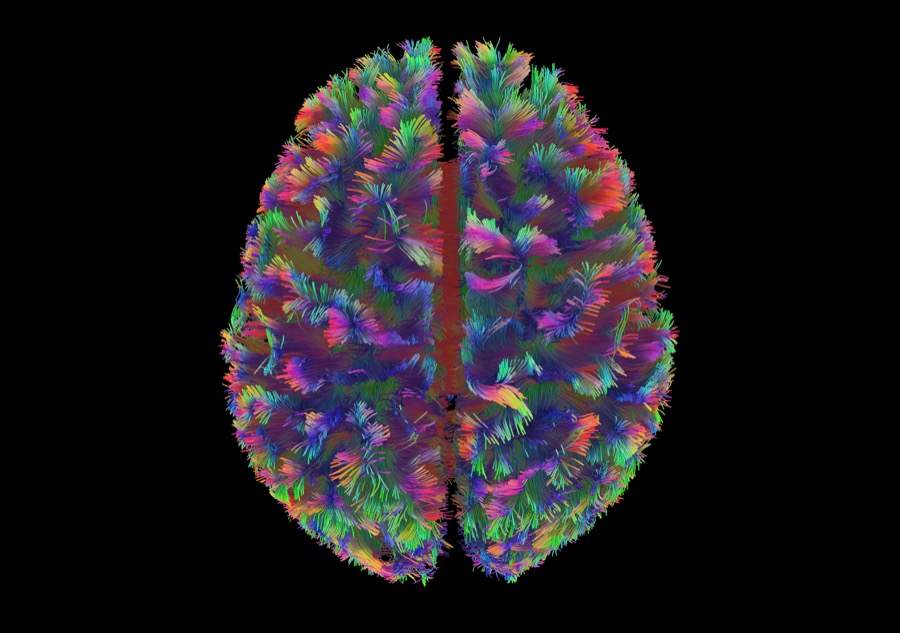
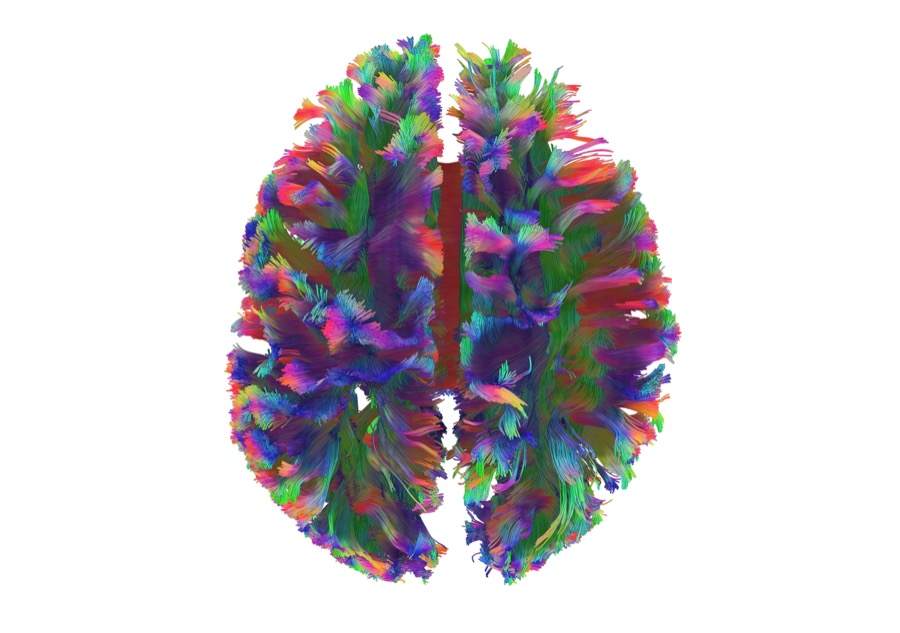
Diffusion MRI from our research partners maps the brain’s white-matter pathways, helping researchers detect and understand traumatic brain injury.
“
I was fortunate to have found parachutes as a guiding light through tough times, and I will continue to do all I can for any veteran out there who needs a little help.
Adam Krum, Former Marine Infantryman & Co-Founder of 22 Jumps
Give
Put your dollar to work.
Your gift funds the testing and treatment of the invisible injury behind many suicides, and the programs that reach veterans and first responders today.