
Research · In memory of Sgt. Kiernan Wimmer
Kiernan Wimmer TBI Innovation Initiative
Our flagship research program funds the work that helps diagnose and treat traumatic brain injury – the injury behind so many suicides.
Why it carries his name
For Kiernan, and for brothers and sisters like him.
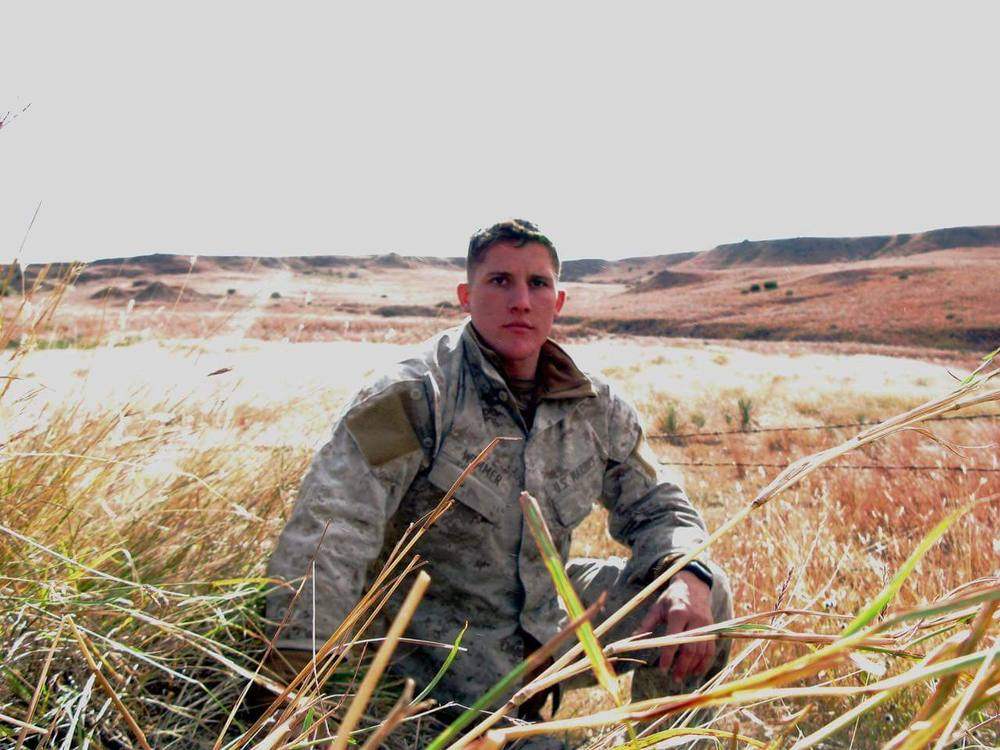
This initiative is named in memory of Sgt. Kiernan Wimmer. His story is why 22 Jumps puts research at the center of the mission: to improve the diagnosis, monitoring, and treatment of traumatic brain injuries is to reduce one of the primary drivers of veteran suicides.
How the research works
Three stages of care.
The initiative targets every stage of traumatic brain injury – catching it, treating it, and keeping veterans well – so science is guided by lived experience.
01 · Detection
Detection
A national normative neuroimaging library, wearables that detect TBI-induced changes in baseline vitals, and biomarkers indicative of TBI, so that the long-term effects are not misdiagnosed.
02 · Treatment
Treatment
Advancing TBI therapies like photobiomodulation that immediately address post-injury brain swelling, rather than managing long-term symptoms.
03 · Therapeutics
Continued recovery
Adventure sports that reassociate fear with accomplishment and build strong community bonds, alongside plant-medicine pathways.
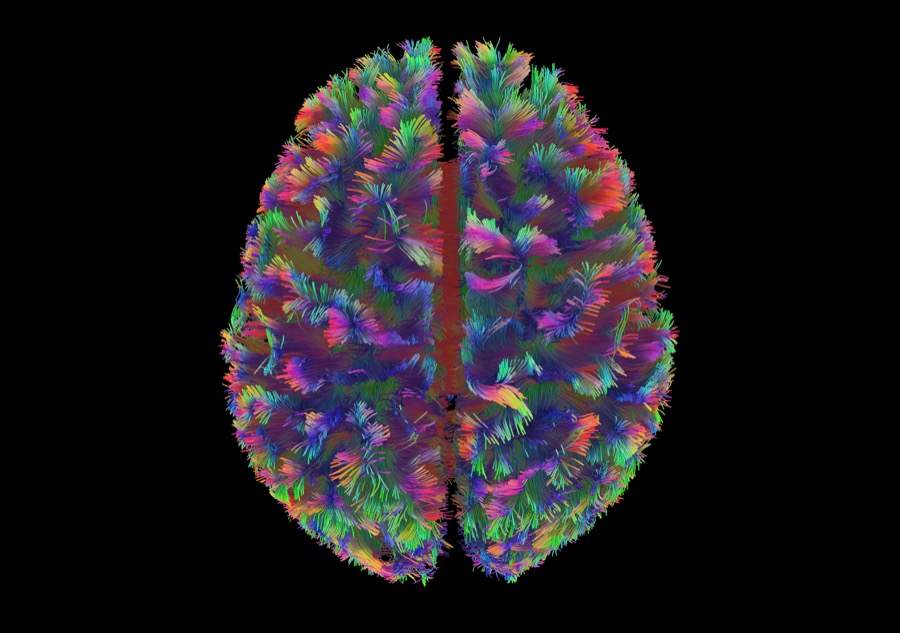
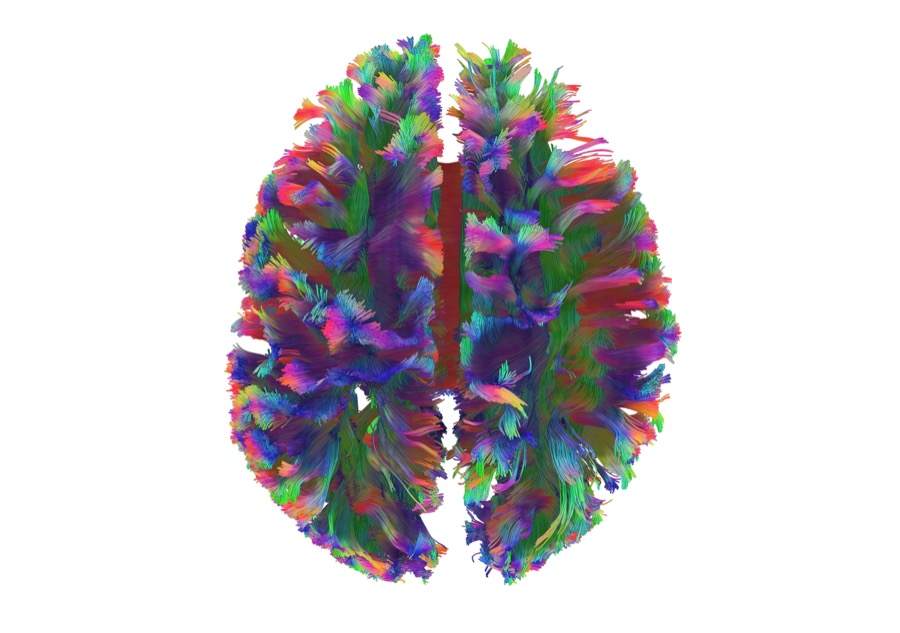
Mapping the injury: diffusion MRI tractography from University of Utah Health
Who we work with
Who we work with.
The initiative is run in partnership with the Traumatic Brain Injury & Concussion Center of University of Utah Health and the Brain Injury Research Center of Mount Sinai. It’s built on a simple principle: research should be informed by the people it aims to serve. Veterans and first responders act as advisors on the science itself – shaping study design, recruitment, and how findings are shared – across novel treatments, imaging, long-term recovery, and Department of Defense–funded work.
To date, 22 Jumps has contributed $225,000+ specifically to TBI research through this initiative.
“It’s a bidirectional relationship: they impact us and we impact them.”Dr. Carrie Esopenko · Co-director, TBI & Concussion Center, University of Utah Health


Give
Fund the research.
Your gift goes straight to the science that helps diagnose and treat the injury behind so many suicides.