Home ▶ Research & Publications
Research & Publications
From the start, 22 Jumps has been built on a simple belief: the fight against veteran suicide has to be driven by evidence. We fund research, and we let it guide the work.
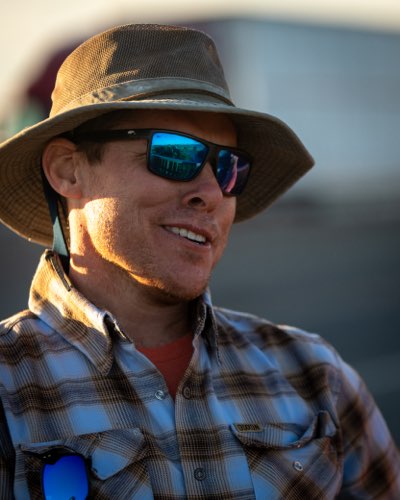
Tristan Wimmer
Co-Founder & CEO
A note from our CEO
Why research sits at the center of 22 Jumps.
At 22 Jumps, the BASE jumping and the science are not separate. Every event, every retreat, and every dollar serves one question: how do we keep veterans and first responders alive? Research is how we answer it honestly.
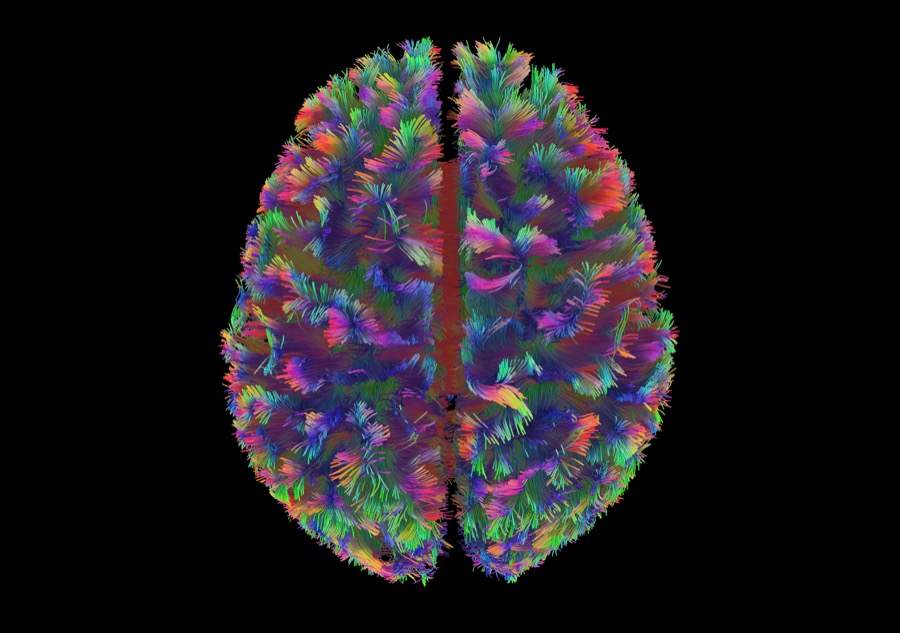
We contribute to research by funding the studies and partnerships digging into traumatic brain injury, the injury behind so many suicides. The research drives what we do, so our programs stand on evidence, not just good intentions.
What you’ll find below is part of that commitment, with more on the way.
— Tristan Wimmer
What we’re building
Research initiatives.
Our research is organized around detecting, treating, and living well after traumatic brain injury, and it’s carried out with leading academic partners.
Flagship program
Kiernan Wimmer TBI Innovation Initiative
Funds the science behind better detection, treatment, and therapeutics for traumatic brain injury – the injury behind so many suicides.
Academic partners
University of Utah Health & Mount Sinai


Community-informed research with the Brain Injury Research Center of Mount Sinai and University of Utah Health’s TBI & Concussion Center – where veterans help shape the science, not just receive it.
Federal research
DoD-funded TBI research projects
22 Jumps consults on multiple research efforts and co-leads advisory boards for U.S. Department of Defense–funded traumatic brain injury initiatives.
What the research says
The injury and the risk are linked.
Findings from national surveillance and peer-reviewed cohorts. Each describes an association, not a cause, and each links to the original paper.
94%
Veterans with a diagnosed TBI are at higher risk of suicide than veterans without a TBI. 1
2.45×
Veterans with moderate or severe TBI are at 2.45 times higher risk of dying by suicide than veterans without TBI. 2
1.90×
People with a medical contact for TBI had 1.90 times the suicide rate of people without TBI. 3
More TBIs,
higher risk
Suicide rates rose with repeated TBI contacts: 34.3 per 100,000 person-years after one, 59.8 after two, and 90.6 after three or more, versus 19.9 with none. 3
Sources
- U.S. Department of Veterans Affairs, 2025 National Veteran Suicide Prevention Annual Report, Part 2. View source
- Hostetter et al., Journal of Head Trauma Rehabilitation, 2019. View source
- Madsen et al., JAMA, 2018. View source
Reports
Publications & reports.
Research and reporting that 22 Jumps has contributed to. Each opens in a new tab, with a suggested citation.
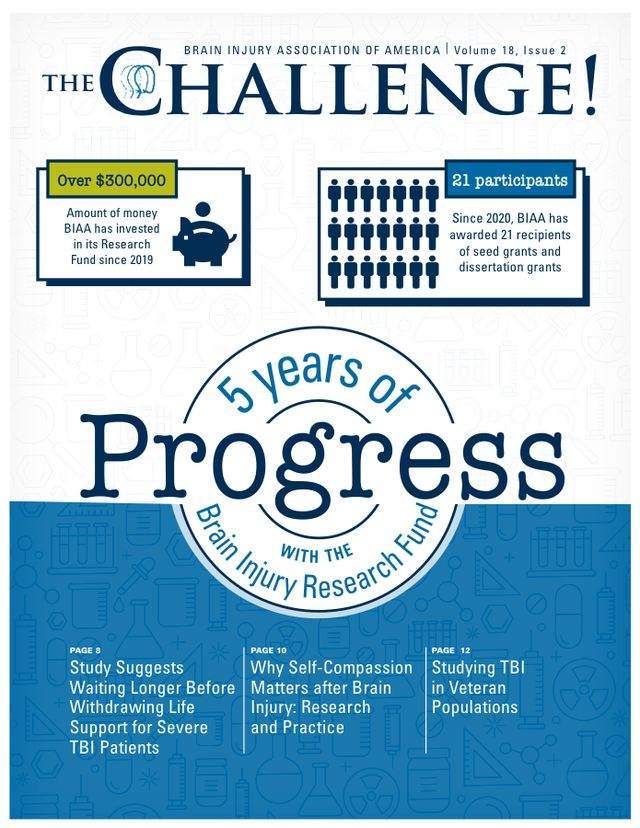
2024 · Professional publication
Studying TBI in Veteran Populations
Esopenko, C., Kalvesmaki, A., Wimmer, T., Collazo, J., Watsula, A., & Dams-O’Connor, K.
An article on the challenges and priorities of studying traumatic brain injury in veterans, co-authored by 22 Jumps founder Tristan Wimmer with researchers from University of Utah Health and Mount Sinai. Published by the Brain Injury Association of America in its practitioner magazine, THE Challenge!
Both open in a new tab.
Esopenko, C., Kalvesmaki, A., Wimmer, T., Collazo, J., Watsula, A., & Dams-O’Connor, K. (2024). Studying TBI in Veteran Populations. THE Challenge!, 18(2). Brain Injury Association of America.
2026 · Conference abstract
Revision and Implementation of the Brain Injury Screening Questionnaire (BISQ) Military Module
Dams-O’Connor, K., Kirschenbaum, J. R., Stratton, J. H. III, Deary, K., Collazo, J., Esopenko, C., Kalvesmaki, A., Wimmer, T., et al.
A poster presented at the American Congress of Rehabilitation Medicine annual conference on revising the military module of the Brain Injury Screening Questionnaire, with Tristan Wimmer among the authors. The citation will be updated when the proceedings are formally published.
Dams-O’Connor, K., Kirschenbaum, J. R., Stratton, J. H. III, Deary, K., Collazo, J., Esopenko, C., Kalvesmaki, A., Wimmer, T., et al. (2026). Revision and Implementation of the Brain Injury Screening Questionnaire (BISQ) Military Module. American Congress of Rehabilitation Medicine (ACRM) Annual Conference.
Give
Fund the research.
Your gift goes straight to the science that helps diagnose and treat the injury behind so many suicides.