FAQ
Questions we get asked
What 22 Jumps is, who it serves, how the jumping connects to the mission, and how to take part.
If your question is not answered here, get in touch. If you are in crisis, call or text 988, then press 1 for the Veterans Crisis Line.
About 22 Jumps
Does 22 Jumps help first responders as well as veterans?
Yes. Although 22 Jumps originated in the veteran community, its programs and research partnerships also include first responders, who can face many related challenges involving occupational trauma, identity, isolation, brain injury, and mental health.
How is 22 Jumps different from traditional veteran nonprofits?
22 Jumps operates at the intersection of community, adventure sports, scientific research, and suicide prevention. Rather than building programming exclusively around clinical treatment or traditional veteran activities, it uses challenging shared experiences to help veterans and first responders form relationships and rediscover community while collaborating with researchers studying TBI and the populations it serves.
BASE jumping & events
What does BASE jumping have to do with veteran suicide prevention?
Great question. For 22 Jumps, BASE jumping connects to suicide prevention in two ways.
Esoteric. BASE jumping is suicide prevention in effigy. A BASE jumper takes a calculated risk knowing full well that the potential consequences are total, then chooses to trust in themself, their gear, and their community to save them from those consequences. For those familiar with BASE jumping, that experience is an intimate allegory: the risk is real and the consequences can be absolute, but so are the preparation, trust, connection, and deliberate choice to rely on yourself and others to carry you safely through it.
Practical. BASE jumping is an attention-grabbing fundraising and awareness platform. Completing 22 jumps in a day represents the historical estimate of 22 veterans per day. The effort and skill needed to complete 22 BASE jumps in a day is, to us, an appropriate way to honor the historically estimated 22 veterans who die by suicide each day and bring awareness to the phenomena.
Is 22 Jumps a BASE jumping organization?
No. BASE jumping is part of 22 Jumps’ DNA and origin story, but it is not the entirety of its mission. The organization began as a cathartic one-time event using BASE jumping as a visible fundraising platform for TBI research and veteran suicide awareness. Today, its work also includes extreme and adventure sports programming, veteran and first-responder community building, suicide prevention efforts, TBI research collaboration, and fundraising.
Do retreat or fundraising participants have to BASE jump?
No. BASE jumping is important to the history and fundraising identity of 22 Jumps, but the organization’s broader mission centers on adventure experiences, community, and research. Activities vary by program and location, and there are lots of opportunities to be brought into the fold of 22 Jumps without performing a BASE jump.
Did 22 Jumps complete the first legal BASE jump in a U.S. national park in 42 years?
Yes. At Bridge Day 2022, 22 Jumps executed the opening jump at New River Gorge National Park. Fayetteville-area coverage highlighted the milestone as the first legal BASE jump in a U.S. national park in 42 years.
Where does 22 Jumps operate?
22 Jumps has a national footprint, but its center of gravity is in the Mountain West. The organization executes events and programs in multiple states. Well-known locations include the Perrine Memorial Bridge in Twin Falls, Idaho, the New River Gorge Bridge in Fayetteville, West Virginia, Camelback Mountain in Phoenix, Arizona, and retreat programming in Moab, Utah. We also conducted a non-BASE jumping fundraising event in St. Louis, Missouri, and the organization serves a broader national community of veterans, first responders, athletes, volunteers, researchers, donors, and supporters.
Events & participation
Can the public attend 22 Jumps BASE jumping events?
Yes. All 22 Jumps fundraising events are free and open to the public. Visitors can watch the jumps, support the team, volunteer on the ground, or sponsor an event. Venue-specific access and event details are posted on the Events page.
Can I volunteer with 22 Jumps?
Yes. 22 Jumps events rely on volunteers to help with operations on the ground. Current opportunities and sign-up information are available through the Get Involved and Events sections of the website.
TBI & research
Why does 22 Jumps focus on traumatic brain injury?
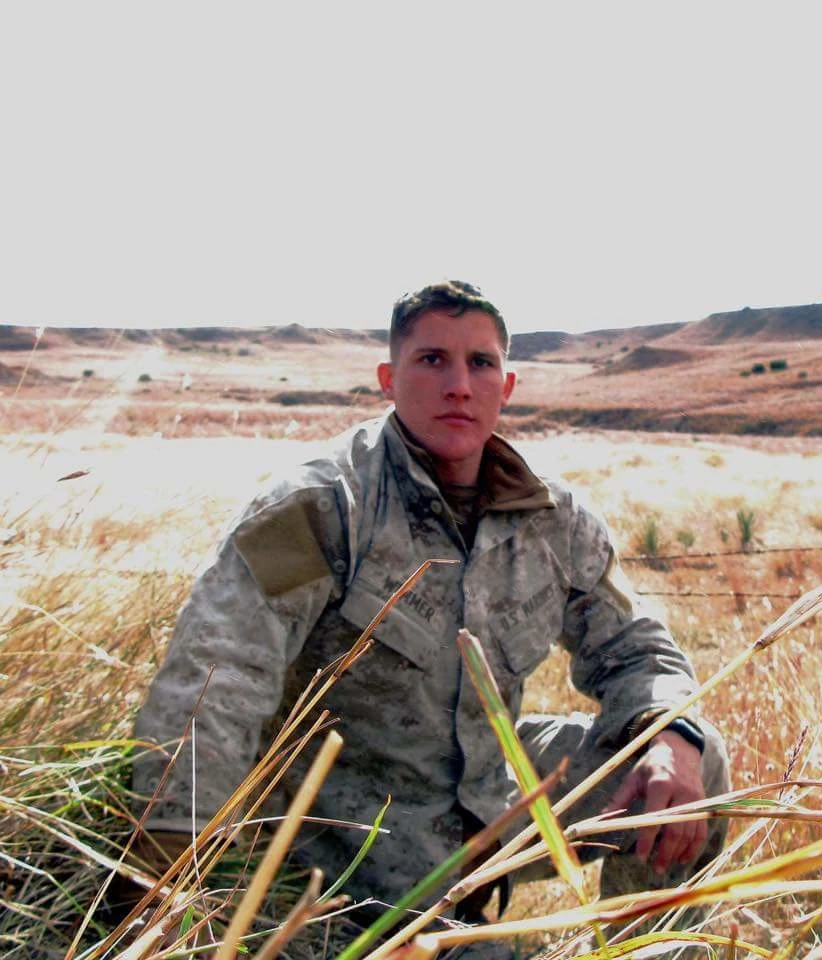
Traumatic brain injury has been central to 22 Jumps since its founding. Tristan Wimmer created the organization in memory of his brother, Sgt. Kiernan Wimmer, after seeing the effects of a severe TBI and the influence it had on his brother’s later death by suicide. What began as one-time fundraising for TBI research in Kiernan’s memory has developed into direct collaboration with researchers studying brain injury in military and veteran populations.
Donations & partnerships
Where does my donation go?
Donations support the 22 Jumps mission, including veteran and first-responder direct outreach programming, traumatic brain injury research initiatives, and the infrastructure required to operate those programs.
How can I support 22 Jumps?
People can support 22 Jumps by donating, volunteering, participating in fundraising events, becoming a sponsor or partner, sharing the organization’s work, or supporting its research and retreat programs.
Can companies sponsor or partner with 22 Jumps?
Yes. Partnership opportunities can include event sponsorship, research collaboration, equipment and in-kind support, employee engagement, media and storytelling, and support for adventure-sports programming.
Can researchers or universities collaborate with 22 Jumps?
Yes. Research collaboration is an increasingly important part of 22 Jumps’ mission. 22 Jumps can help research teams incorporate lived experience from veterans and first responders, improve community engagement, inform research questions and recruitment strategies, and connect investigators with populations affected by TBI and related challenges.
Safety & support
Is 22 Jumps a crisis response organization?
No. 22 Jumps is a nonprofit focused on community, research, programming, and suicide prevention, not an emergency mental-health or crisis-response service. Anyone in immediate danger or experiencing a mental-health crisis should contact appropriate emergency or crisis resources rather than waiting for a response from 22 Jumps. If you are in crisis, call or text 988 to reach the Suicide & Crisis Lifeline, then press 1 for the Veterans Crisis Line.
Give
Still want to help?
Your gift funds TBI research and the programs that reach veterans and first responders today.